What Matters?
What Matters?
Starting with people’s experience. Learning together. Acting for change.
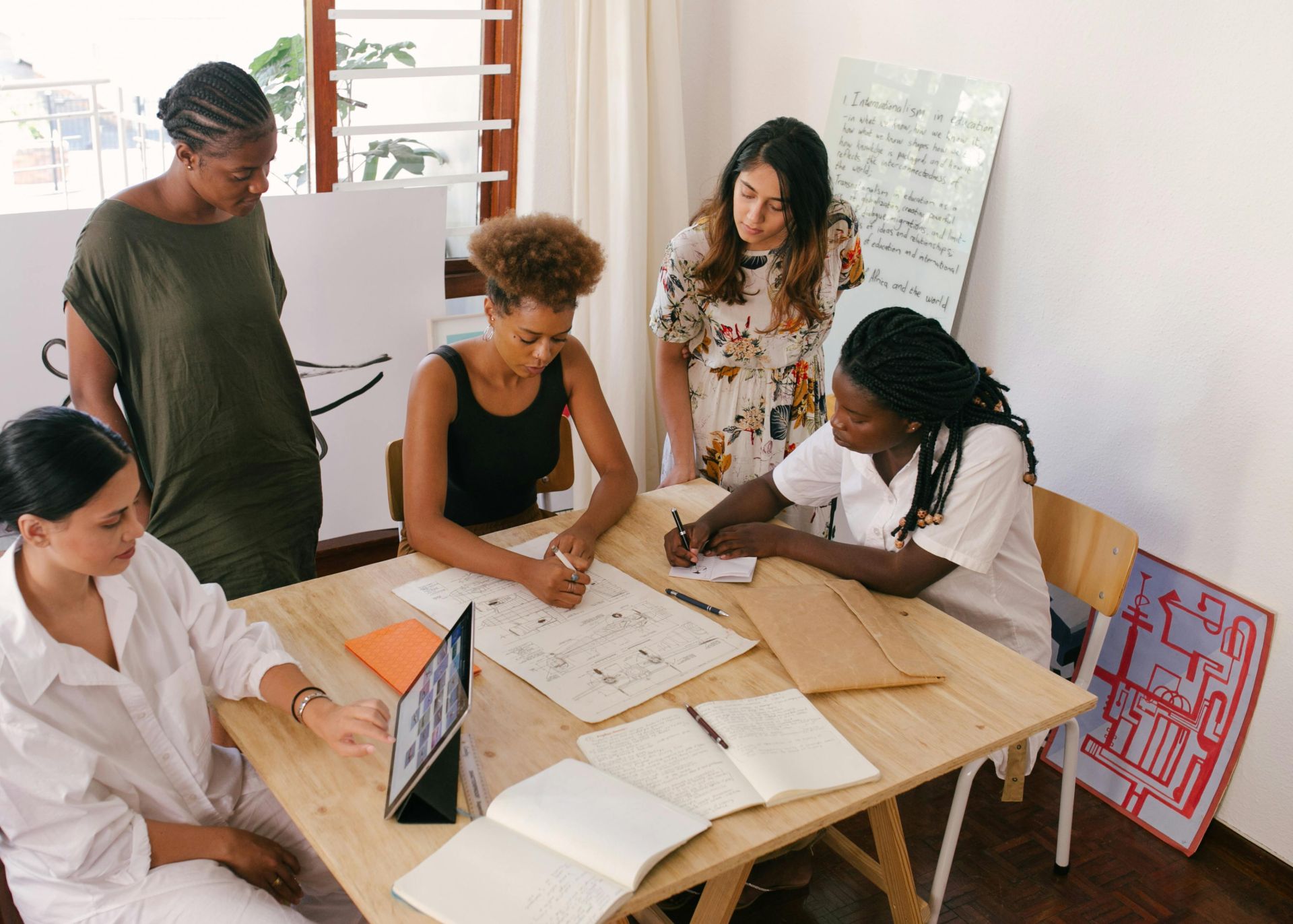
What matters to you about the place where you live, work or learn?
What Matters? is a participatory community learning project developed by Community Learning and Development Lancashire. People are invited to share photographs, short videos, stories and reflections about the things they value, the things that concern them and the things they would like to change. Those contributions are not simply collected as opinions. They become the starting point for a deeper process of dialogue, collective learning and action .
Share. Learn. Act.
The process has three broad stages.
Share
The process begins with people themselves.
Participants are invited to contribute an image, short video, story or reflection representing something that matters to them. It might concern: community life and belonging housing or the local environment education and opportunity work and the local economy family and relationships health and wellbeing faith, culture or identity public services inequality or exclusion places and activities people value hopes for the future There is no predetermined list of correct issues. The purpose is to listen carefully to what people themselves identify as significant.

Learn
From sharing experience to investigating it together.
Contributions are brought into dialogue. Participants identify recurring themes, differences and questions and begin to explore them more critically. A group might ask: What are we noticing? Why does this matter? Who experiences this differently? Why might things be this way? What forces or decisions shape the situation? What already exists that we can build upon? What would we like to be different? Facilitators help participants connect personal and local experience with wider social, economic, cultural and institutional realities. Learning emerges from the relationship between experience, different forms of knowledge and collective reflection.
Act
What Matters? is not intended to end with discussion.
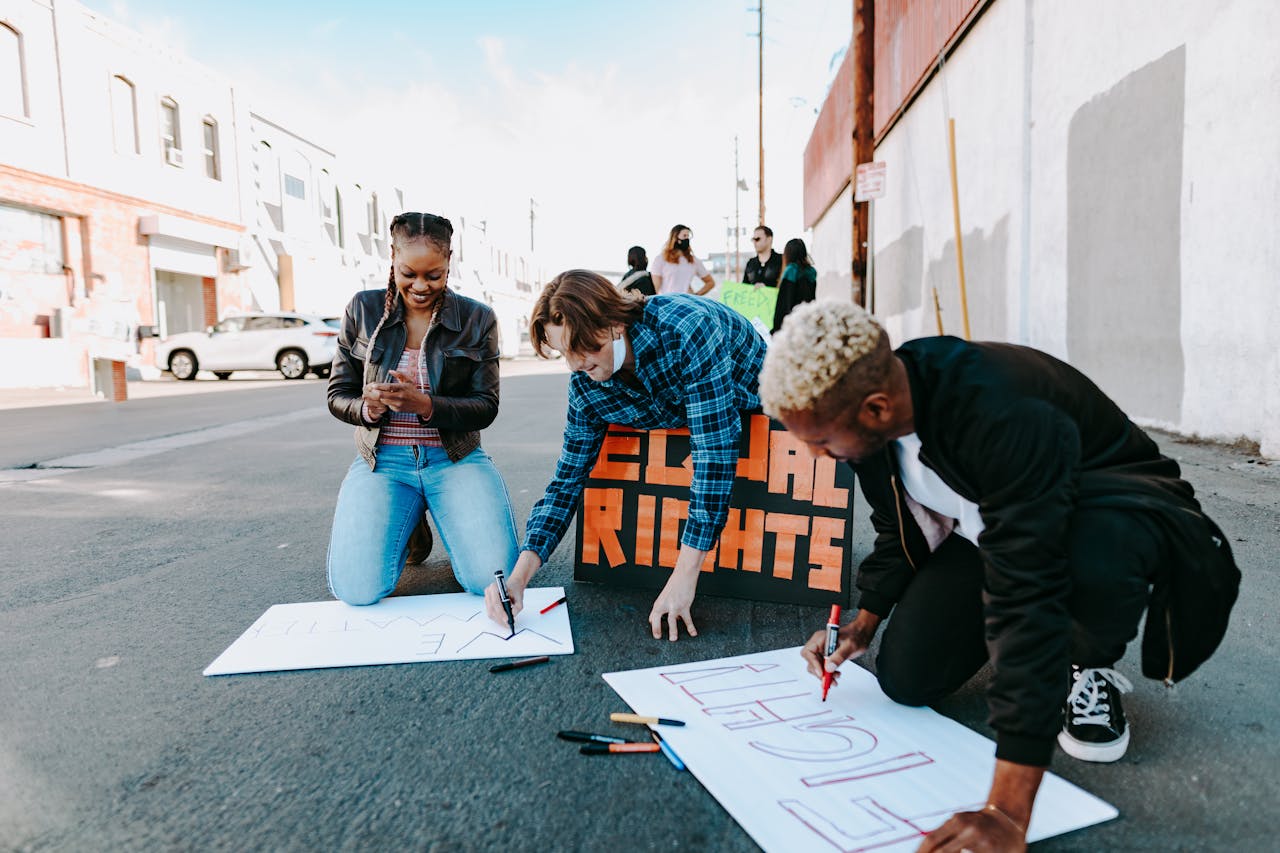
Where participants identify something they want to change, we help the group explore how it might move from ideas to action. That might involve: creating a new community initiative strengthening an existing organisation or group approaching or influencing a public body developing a campaign building a new partnership testing a practical idea organising further learning or research There is no predetermined outcome. The action grows from the analysis and aspirations of the people involved.
And then?
The process does not necessarily stop after the first action. Participants can examine what happened, consider what they have learnt and decide what should happen next. This creates a continuing developmental cycle: action → reflection → learning → further action
More than consultation
Communities are frequently asked what they think. They complete surveys. They attend meetings. They respond to proposals developed elsewhere. What Matters? begins differently. It does not simply ask people to respond to somebody else’s agenda. Participants help identify the agenda. Information is not simply taken away for others to interpret. Participants remain involved in making sense of what emerges. People are treated not simply as service users or consultees, but as people with knowledge, experience and the capacity to act.
What about disagreement?
A community is not a single voice. People have different experiences, interests, identities and relationships to power. A meaningful process therefore makes space for disagreement as well as common ground. Our aim is not to manufacture consensus. It is to create conditions in which people can listen, question, investigate and learn together.
What do facilitators do?
The quality of facilitation is central to the project. Community Learning and Development Lancashire facilitators can help participants and partner organisations to: create welcoming and accessible ways for people to participate gather stories, images and experiences identify recurring themes and questions turn those themes into material for dialogue facilitate critical reflection and local analysis explore different experiences and perspectives connect local concerns with wider contexts articulate hopes and alternatives move from ideas towards strategy and practical action establish continuing processes of learning and reflection The longer-term aim is to strengthen participants’ own capacity rather than create dependence on an outside facilitator.
Frequently Asked Questions
Who can take part?
A What Matters? project can be developed with many different kinds of community or organisation, including: neighbourhood groups voluntary and community organisations schools and colleges faith communities public services workplaces networks communities of interest or identity partnerships involving several organisations A project might focus on a neighbourhood, a group of people, a particular issue or a network of organisations. The process is adaptable because it does not begin with a fixed curriculum. It begins with the people involved and the questions that matter to them.
What might emerge?
Every project will be different. Possible outcomes might include: stronger relationships greater understanding of community experience previously unheard perspectives becoming visible new questions being identified shared priorities increased confidence and collective capacity new projects or campaigns changes in organisational practice practical community action Some changes may happen quickly. Others may develop over time.
Can we bring What Matters to our community?
We can work with you to develop a What Matters? process appropriate to your place, community or organisation. We can support: project design participant engagement preparation and development of local facilitators collection of stories and contributions facilitated dialogue collective analysis vision-building planning for action continuing reflection and learning The exact form is developed collaboratively. Because what matters cannot be decided in advance . It has to be discovered through listening, dialogue and action.